














Taylor has been an absolute savior. If you're a veteran and needing assistance with claims, Taylor and the rest of the crew helped me when the VSO's in my area couldn't for 12 years. Thank you again Taylor. I will always recommend this firm to any veteran I know.

Denied by the VA?
Or Stuck at a Rating
That Doesn't Match Your Life?
- Denied? A denial doesn't mean your condition isn't real. It means the VA found something missing in your file. We review the decision, identify what went wrong, and determine the strongest path forward.
- Rated too low? Asking for a higher rating doesn't have to put your current benefits at risk. We review your full file and walk you through what's protected and what's at risk.
Discover what our VA disability lawyers can do for your case.
Private law firm. Not affiliated with the VA or any government agency.
Get Answers Today
Where Does Your Claim Stand Right Now?
Tap the one that sounds like you.
Denied.
What it means:A denial is a decision, not the end of the claim. There are several ways to challenge it, and picking the wrong one can cost you months if not years.
We read the decision notice to find the VA's actual stated reason, gather the evidence that answers it, and work out which review path fits your case. You won't have to sort that out on your own.
Rated, but too low.
What it means:A rating is supposed to reflect how much the condition limits you, not just that you have it. Low ratings often come from a rushed exam, or from records that never showed what your condition does to an ordinary day.
We review your full case before filing anything. Then we build the medical evidence for a higher rating, including help finding physicians for independent exams. We'll look at whether TDIU fits too.
They want to cut me.
What it means:This is a proposal, not a decision. When the VA wants to reduce a rating because it believes your condition has improved, the burden is on the VA to prove it.
We review the proposal, walk you through your options, and work with you to gather the evidence to fight it.
Denied secondary service connection
What it means:These claims are commonly denied because the medical evidence does not show a connection between the condition being claimed and a condition for which the VA has already granted service connection.
We can connect you with medical professionals who understand what the VA requires, and help you get a nexus opinion that meets that standard.
You're Not Alone
If Any of This Sounds Familiar, You're in the Right Place
We’ve read a lot of these letters, and we know how frustrating the process can feel.
The C&P exam that lasted only a few minutes, where the examiner barely reviewed your records or gave you a chance to explain what you were experiencing.
The weeks of waiting for an answer while your appeal deadline gets closer.
The sentence saying your condition is “less likely than not” related to your service, even though you live with the effects of that condition every day.
The feeling that you are being left to figure out what is missing from your case on your own.
A lot of veterans read a denial and immediately wonder what they did wrong. Often, the problem is not what you experienced. It is whether the evidence in your file clearly showed VA what it needed to see.
Our job is to identify what may be missing, determine what evidence could strengthen your claim, and build the strongest case possible moving forward.
What Happens After You Reach Out
A simple process. We handle the legal work so you can focus on what matters most.
- 1Send us your decision letter.
A photo from your phone is fine.
- 2We go over it together.
We’ll review your case on a free call, explain what went wrong in plain language, and tell you how we can help.
- 3We build the evidence the VA is missing.
Once you become a client, we analyze your claims file and gather missing medical opinions, buddy statements, and records that strengthen your case.
- 4We deal with the VA.
We manage all filings, deadlines, exam issues, and correspondence so you can focus on your health and family.
Tell us what your letter says.
No surprises. Just straight answers.
What This Costs You
Federal law regulates what a VA-accredited attorney can charge. It's worth understanding before you talk to anyone, including us.
and nothing upfront if we take it.
That’s the back pay you are owed from your effective date forward. It never comes out of the monthly compensation you receive.
we don't earn a fee.
Things like medical records and medical opinions. These expenses are separate from our attorney fee, and clients agree to reimburse the costs incurred for their case. We’ll walk you through what that looks like before you sign anything, and if you ever have questions about costs, just ask.
Questions about the fee or costs?
From Veterans Who Were Where You Are
These are veterans who were told no, or told "not enough," and didn't stop there.
We Stand With Veterans
Who You'll Be Talking To
Disability law is all we do.
VA claims have their own dedicated team here, from your initial intake specialist to your case manager and accredited attorney. If you’ve ever called a firm and felt like just a case number, you’ll notice the difference with us.
Based in Troy.
Serving veterans across Oakland, Macomb, and Wayne counties and throughout Michigan. If you want to sit across a table from us, you can.
We are part of the Michigan veteran community.
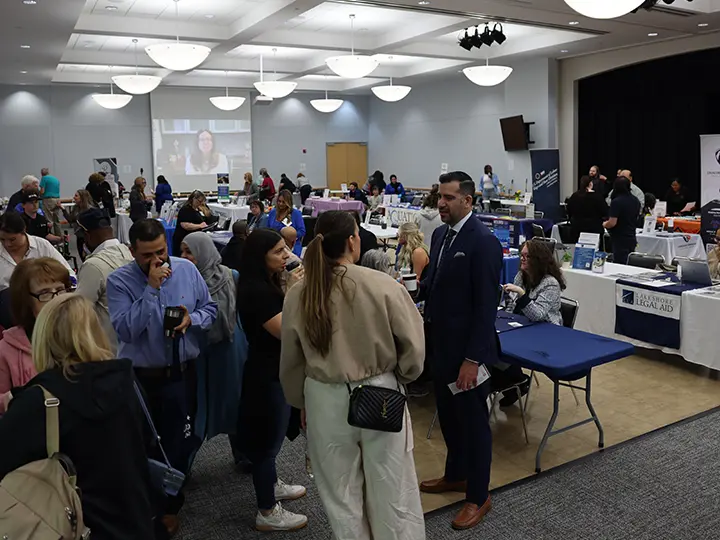
Every year our team hosts a free Legal Aid and Resource Fair, and we work with local veterans' organizations throughout the year.
We answer.
When you call, you reach a person and you get told what's happening with your case without having to chase it.
Your Appeal Options
Selecting the wrong option can cost you months of delays or risk your backpay. Here is how they compare.
Board Appeal Paths
A Board Appeal has three paths. Which one fits depends on whether you have new evidence and whether you want a hearing.
The VA aims to finish a:
- Higher-Level Review or a Supplemental Claim – in 125 days.
- Direct Review – in 1 year.
- Evidence Submission – in 1.5 to 2 years.
- Hearing – in 2 to 3+ years.
Order matters
You cannot ask for a Higher-Level Review on a Higher-Level Review decision. Additionally, you cannot file a Higher-Level Review on a Board Decision. Finally, you cannot file two Board Appeals back to back on the same claim.
Which one is right for you?
Which one is right depends on what went wrong in your case. The wrong choice can cost you months, or use up an option you'd want later. That's the call we make with you, before anything gets filed.
Actual times may vary.
These are VA processing goals, actual times may vary.
Not sure which one fits your case?
Our attorneys bring years of experience in VA disability claims, knowing exactly which route gives you the best advantage based on your unique case and the VA’s processing goals.
Outcomes by Representation
From the Board of Veterans' Appeals
Attorney-Represented Veterans
42.7%Of dispositions were allowed
Veterans With No Representative
29.7%Of dispositions were allowed
Board's FY2024 legacy-docket data. Historical Board data does not predict the outcome of any individual claim.
Benefits That Go Further
What a Permanent and Total Rating Actually Opens Up
When the VA rates a veteran permanently and totally disabled, benefits open up that most families never hear about.
Health coverage for your family.
Your spouse and dependent children may qualify for CHAMPVA when they cannot get TRICARE.
Help paying for their education.
Your spouse and children may qualify for Chapter 35, the Survivors' and Dependents' Educational Assistance program.
For Michigan veterans: no property tax on your home.
The state exempts a qualifying disabled veteran's homestead entirely if they are rated by the VA as 100% permanently and totally disabled or individually unemployable (TDIU), if your inability to work is found permanent.
Eligibility depends on your specific rating and situation. We'll walk through your eligibility with you.
Getting the rating right changes what's available to you and your family, long after your case is valid.Answers You Can Trust
Questions Veterans Ask Us
One of the most common fears veterans have, so here’s a straight answer. The VA cannot simply reduce an established rating. If it wants to, it must tell you in writing first, give you 60 days to send evidence that your compensation should continue, and tell you about your right to a hearing. Request that hearing within 30 days and your payments continue at the current rate until a decision is made.
The burden is on the VA. It must show your condition actually improved in a way that affects your ability to function in ordinary life and work. Ratings in place five years or more carry additional protection.
Before we file anything for you, we read your whole file so you know what’s exposed and what isn’t.
While federal law prevents attorneys from charging a fee for initial VA disability claims, we are always happy to walk you through the process to make sure you file correctly.
Filing on VA.gov is free. If the VA denies your claim or gives you an unfair rating, our experienced attorneys can step in to fight for the full benefits you earned.
TDIU stands for total disability based on individual unemployability. It pays at the 100 percent rate when service-connected conditions prevent you from holding substantially gainful work, even if your combined rating is lower than 100.
Generally, you need one service-connected condition rated at least 60 percent, or a combined rating of at least 70 percent (with at least one single condition rated at 40% or higher), along with evidence that these conditions keep you from working.
If you don’t meet those percentage thresholds but your conditions keep you from working, there is another path. Our team can evaluate your case for extra-schedular TDIU.
No. We handle most cases through phone, email, and mail. We know that traveling with pain or mobility limitations is not easy, so we are happy to take care of your case virtually. But if you would rather sit down with us in person, you are always welcome at our office on Big Beaver Road in Troy.
Yes. The firm handles both VA disability and Social Security disability, and for many veterans the two run in parallel. Mention it when you reach out and we will look at the whole picture.
Let Us Help You Move Forward
You've Carried Enough. Let Us Take This Part.
You spent years taking care of other people. It’s time someone had your back.
Send us your decision letter. We’ll review it at no cost, tell you honestly what we see, and explain your options in language that makes sense.
* Board of Veterans' Appeals Annual Report, FY2024. Figures reflect legacy-docket dispositions. Past results do not predict the outcome of any individual claim.
* Results vary. Past outcomes do not guarantee or predict the result of any individual claim.
Disability Law Group is a private law firm. We are not affiliated with, endorsed by, or acting on behalf of the Social Security Administration, the Department of Veterans Affairs, or any other government agency. This is not a government website.