
If you served in the military and were exposed to toxic substances during your service, you may qualify for VA benefits toxic exposure compensation. Schedule a free consultation with an experienced VA Michigan disability lawyer at the Disability Law Group to discuss your potential claim for disability benefits through Veterans Affairs (VA). We can help you understand your rights and guide you through the claims process.
Understanding Toxic Exposure and Military Service
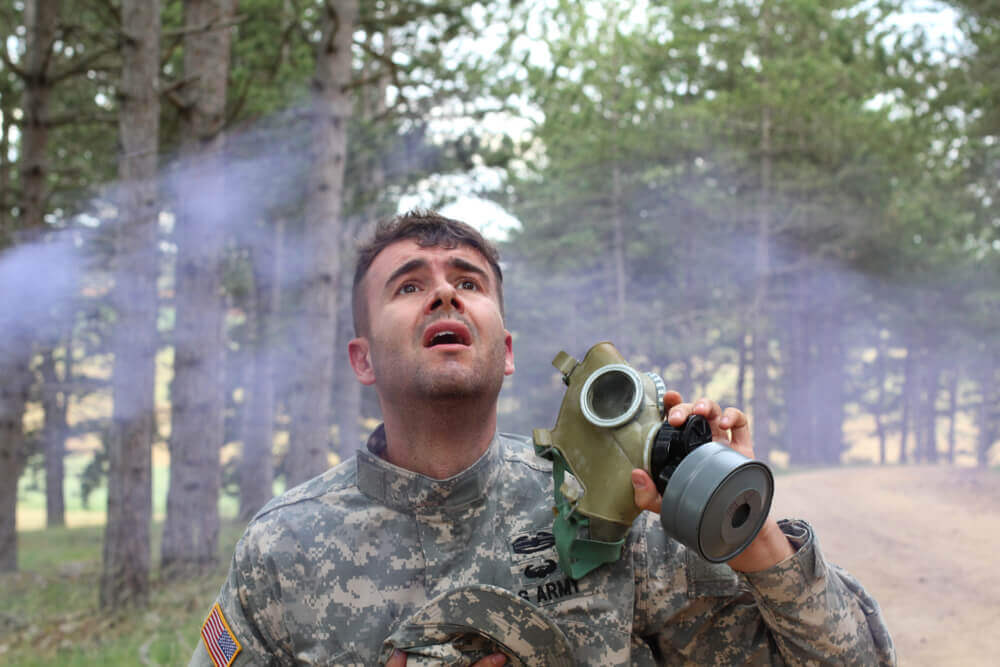
Military service often involves exposure to toxic chemicals that can cause serious health problems years or even decades later. Exposure to burn pits, Agent Orange exposure, contaminated drinking water at Camp Lejeune, asbestos, radiation, and other hazardous chemicals and substances have affected countless veterans across all eras of service, including during the Gulf War, Vietnam War, and other times of conflict. The VA now recognizes many conditions linked to these exposures, and you have the right to seek compensation for illnesses that resulted from your time in uniform if you are among the veterans eligible for such benefits.
Common Toxic Exposure-Related Conditions
VA toxic exposure claims frequently involve illnesses that develop long after your military service ended. The VA has established presumptive conditions for various types of exposures, which means you don’t need to prove a direct connection between your service and your illness. Conditions related to environmental hazards associated with eligible veterans include the following:
- Respiratory conditions: Asthma, bronchitis, and COPD often affect veterans exposed to burn pit smoke or airborne toxins, limiting daily function and work capacity.
- Cancers: Toxic exposure during service has been linked to certain cancers, including leukemia, lymphoma, lung, and bladder cancers—many developing years after discharge.
- Neurological disorders: Herbicide exposure, including Agent Orange, can lead to Parkinson’s disease, neuropathy, and other progressive nerve conditions requiring long-term care.
- Skin conditions: Chemical exposure may cause chloracne, porphyria cutanea tarda, and other painful or disfiguring skin disorders that impact quality of life.
These are only some of the illnesses that may qualify for VA benefits based on hazards during military services you may have confronted. If you suspect your health issues are linked to toxic exposure during service, consider filing a claim to seek the compensation you deserve.
Eligibility for VA Benefits
To receive VA benefits for toxic exposure for veterans, you must meet specific requirements established by federal law and VA regulations. Your eligibility depends on your service history, the location and dates of your service, and your current medical condition, as explained in more detail here:
- Service connection: You must have served in a location where toxic exposure occurred during specific time periods recognized by the VA. The PACT Act expanded these recognized locations and time periods significantly, covering Vietnam veterans through veterans of recent conflicts in Iraq and Afghanistan.
- Qualifying medical condition: Your diagnosed illness must appear on the VA’s list of presumptive conditions for your type of exposure. If your condition isn’t on the presumptive list, you can still qualify by providing medical evidence that links your illness to your military service.
- Character of discharge: You generally need an honorable or general discharge to qualify for VA benefits. Veterans with other discharge characterizations may still be eligible in certain circumstances, so you should consult with a lawyer even if your discharge status seems problematic.
VA Benefits Available to Michigan Veterans
Michigan law supports veterans’ rights to federal benefits through various state statutes. Under MCL 35.621, Michigan recognizes the importance of assisting veterans in obtaining federal benefits they’ve earned through their service. Additionally, MCL 32.92 establishes provisions for veterans’ services at the state level that complement federal VA programs.
Michigan veterans who establish service connections for toxic exposure conditions may receive several types of benefits. The amount of compensation you receive depends on the severity of your condition and how it affects your ability to work and live independently. Former service members may qualify for the following types of benefits:
- Disability compensation payments
- Healthcare coverage for service-connected conditions
- Special Monthly Compensation for severe disabilities
- Dependent and survivor benefits
- Vocational rehabilitation and employment services
- Adapted housing grants
- Vehicle modification allowances
You may qualify for multiple benefits simultaneously if your condition warrants them. The VA rates disabilities on a scale from 0% to 100%, and your monthly compensation increases with higher disability ratings.
The VA Claims Process for Toxic Exposure
Filing claims for toxic exposure can feel overwhelming, but understanding the process helps you prepare. Gather your documentation before you begin so you can present the strongest possible claim from the start of the process:
- Initial application: Submit VA Form 21-526EZ with medical and military records identifying your toxic exposure and related conditions.
- C&P exam: Attend the VA’s Compensation and Pension exam and provide detailed, accurate information about your symptoms.
- VA decision: The VA issues a decision granting, denying, or underrating your claim. You have one year to appeal.
- Appeals process: If denied or underrated, you may be able to request a higher-level review, file a supplemental claim, or appeal to the Board of Veterans’ Appeals.
The statute of limitations for VA claims is generally favorable to veterans. You can file a claim at any time after your discharge, and if approved, you may receive retroactive benefits back to the date you filed your claim or the date your disability began, whichever is later.
How a VA Benefits Lawyer Can Help
An experienced VA disability lawyer can give you legal advice and guidance to strive for a successful claim. Many veterans struggle with the complex VA system on their own and miss opportunities to strengthen their claims. An attorney helps with:
- Claim preparation: An attorney can help to gather the right medical records, obtain supporting statements, and present your claim in the most compelling way possible. We know what the VA looks for in approved claims and can help you avoid common pitfalls that lead to denials.
- Medical evidence: An attorney from the Disability Law Group can connect you with medical professionals who understand the link between toxic exposure and various health conditions. Strong medical documentation that clearly connects your condition to your service is often the difference between approval and denial.
- Appeals representation: If the VA denies your claim, our VA disability lawyers can file appeals, provide evidence to supplement your initial claim, and represent you at hearings before the Board of Veterans’ Appeals. We understand the procedural requirements and deadlines that govern the appeals process.
- Ongoing support: Your lawyer continues to assist you even after your claim is approved, helping you apply for increased ratings when your condition worsens. We stay with you throughout your journey to fight for your earned benefits.
At Disability Law Group, you don’t pay attorney fees unless we win your case. Our VA disability lawyers work on a contingency basis, taking a percentage of your past-due benefits only if we successfully obtain compensation for you.
Ready to File Your Claim? Contact an Experienced VA Disability Lawyer Now
Don’t wait to pursue the benefits you earned through your military service. Call the Disability Law Group today or reach out online to schedule a free consultation with an experienced VA Michigan disability lawyer. We’ll review your case, explain your options, and help you take the first step toward obtaining the compensation you deserve for your service-connected toxic exposure conditions.