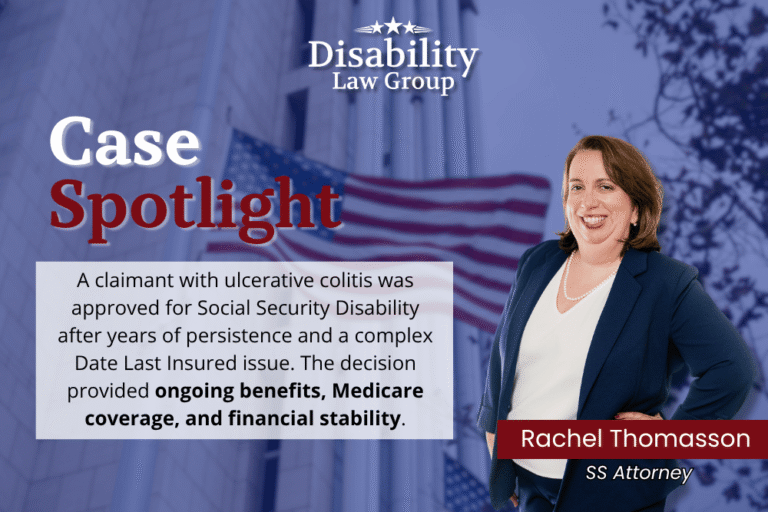

Man reviewing Social Security disability benefits paperwork at home in 2026

Common Myths About Social Security Disability Benefits in 2026

The process of applying for Social Security disability benefits is often surrounded by misinformation. Friends, family members, and even internet forums can provide advice that is outdated or simply incorrect. In 2026, as the Social Security Administration updates its rules and cost of living adjustments, it is more important than ever to separate fact from fiction.

Believing common myths can lead to unnecessary stress or, even worse, cause an applicant to give up on a claim they could have won. Below, we address some of the most persistent myths regarding Social Security Disability Insurance (SSDI) and Supplemental Security Income (SSI).

Myth 1: You Must Be Denied Twice Before You Can Be Approved

This is perhaps the most common myth in the disability community. Many people believe that the Social Security Administration automatically denies every initial application as a way to “test” the applicant. While it is true that a high percentage of initial claims are denied, it is not a requirement of the system.

In 2026, many well documented claims are approved at the initial level. The reason so many people face a denial is not because of a secret rule, but because their initial application lacked the specific medical or vocational evidence required by the agency. A thoroughly prepared application with strong medical support has a fair chance of being approved without the need for multiple appeals.

Myth 2: If Your Doctor Says You Are Disabled, You Will Automatically Get Benefits

It is a common misconception that a simple note from your doctor stating “my patient is disabled and cannot work” is enough to win your case. While your doctor’s opinion is very important, the Social Security Administration is the final authority on whether you meet their legal definition of disability.

The agency does not focus solely on your diagnosis; they focus on your “functionality.” Your medical records must show exactly how your condition limits your ability to sit, stand, walk, remember instructions, or interact with others. In 2026, the Social Security Administration looks for clinical evidence—such as MRI results, blood tests, and physical exam findings—that supports your doctor’s conclusions. A diagnosis alone is rarely enough to secure benefits.

Myth 3: You Cannot Work at All While Applying for Disability

Many applicants believe that any amount of work will lead to an automatic denial. While it is true that you cannot engage in “Substantial Gainful Activity” (SGA), the Social Security Administration does allow for limited work under certain thresholds.

In 2026, the monthly SGA limit for non-blind individuals is $1,690. If you are working and earning less than this amount, you may still be eligible for disability benefits, although the agency will still examine whether the work you are doing proves you have the capacity to work more. However, for SSI applicants, even small amounts of income can affect the monthly benefit amount. It is always best to consult with a legal professional before starting any work while a claim is pending.

Myth 4: Only Older People or Those with Physical Injuries Qualify

Disability does not discriminate by age, and it is not limited to physical impairments. While the Social Security Administration does have specific rules that make it easier for individuals over the age of 50 to qualify, younger workers can and do receive SSDI if they can prove they cannot adjust to any other type of work.

Furthermore, “invisible” disabilities such as chronic pain syndromes, severe mental health disorders, and autoimmune diseases are all recognized in 2026. As long as the condition is expected to last at least twelve months or result in death, and it prevents you from working, you may be eligible regardless of your age or whether your disability is visible to the naked eye.

Myth 5: You Can Only Get Benefits If Your Disability Is Permanent

The Social Security Administration does not require your disability to be “permanent” in the sense that it will never improve. The legal standard is that your condition must have lasted, or be expected to last, for a continuous period of at least twelve months. Many people receive benefits for several years while they recover from a serious illness or injury and eventually return to the workforce through “Trial Work Periods.”

How Disability Law Group Can Provide Clarity

At Disability Law Group, our mission is to provide you with the facts so you can make informed decisions about your future. The disability system is complex enough without having to navigate through myths and rumors. We take the time to explain the law as it stands in 2026 and we provide an honest assessment of your claim.

We help you gather the right evidence, address the concerns of the Social Security Administration, and prepare you for every stage of the process. You do not have to wonder if what you heard from a neighbor is true; you can rely on our experienced team to guide you.

Get the Facts About Your Disability Claim Do not let a myth prevent you from seeking the financial support you need and deserve. If you are unable to work due to a medical condition, you owe it to yourself to explore your options with professional guidance.

Contact Disability Law Group today for a free consultation at www.DisabilityLawGroup.com. We are here to clear up the confusion and help you fight for your benefits with confidence.

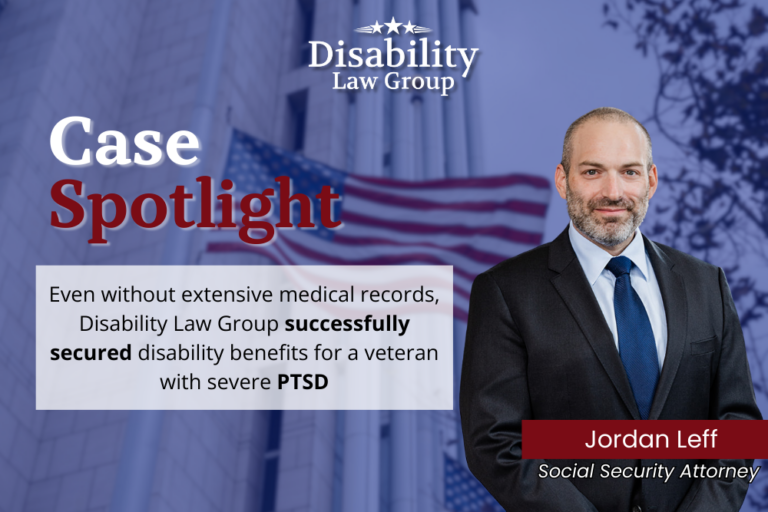
Case spotlight graphic featuring Jordan Leff and highlighting a veteran with severe PTSD who secured disability benefits despite limited medical records.

When Disability Is the Obstacle: Overcoming Sparse Medical Records to Win Social Security Disability Benefits

For many individuals living with severe Post-Traumatic Stress Disorder (PTSD), the very symptoms that make them disabled, such as anxiety, avoidance, and fear of revisiting trauma, are the same factors that prevent them from seeking regular medical treatment. Unfortunately, to the Social Security Administration (SSA), a lack of recent medical records can sometimes appear to be a lack of impairment.

At Disability Law Group, we understand that silence in a medical file does not mean someone is cured. In many cases, it means the individual is struggling more than ever.

Recently, Disability Law Group attorney Jordan Leff successfully represented a 35-year-old military veteran in a Social Security Disability Insurance (SSDI) case that demonstrates how powerful personal testimony and strategic advocacy can be when medical records are limited.

The Challenge: Limited Medical Records in a PTSD Disability Claim

Our client, a veteran who previously worked as a retail stocker, had already been found disabled by the Department of Veterans Affairs due to severe PTSD. However, when he applied for Social Security Disability benefits, his case faced a significant challenge: extremely limited medical records during the relevant time period.

Because of the severity of his PTSD symptoms, the claimant experienced intense avoidance. He struggled to leave his home, avoided interacting with others, and often resisted seeking treatment because doing so required revisiting traumatic experiences.

In many disability cases, sparse medical documentation can lead to a denial. Our task was to demonstrate that his lack of treatment was not evidence of improvement. Instead, it was a direct symptom of his disabling mental health condition.

The Strategy: Letting the Client’s Story Be Heard

Knowing the medical file alone would not fully capture the severity of his condition, Jordan Leff focused on the most powerful evidence available: the claimant’s personal testimony.

The first step was building trust. Initially, the client was extremely nervous and hesitant to share details about his daily life and trauma. Through patient preparation and collaboration with both the claimant and his wife, Jordan developed a strategic approach to highlight the reality of his limitations.

The testimony focused on several critical areas:

  • Identifying triggers: Clearly explaining the mental health triggers that made sustained employment impossible.
  • Explaining treatment avoidance: Demonstrating how leaving the home or discussing traumatic experiences triggered severe anxiety and distress.
  • Illustrating daily limitations: Painting a clear picture of how PTSD restricted the client’s ability to function socially, emotionally, and professionally.

A Favorable Decision at the Hearing

During the disability hearing, the claimant shared his story with honesty and courage. The preparation paid off. His testimony clearly demonstrated the severity of his condition and how PTSD prevented him from maintaining full-time employment.

The Administrative Law Judge (ALJ) was so persuaded by the testimony and evidence that he took the unusual step of informing Jordan Leff and the client during the hearing that he would be granting the claim.

Life-Changing Results for the Veteran and His Family

The favorable decision immediately changed the lives of the veteran and his family. The approval provided:

  • Financial stability: Monthly disability benefits to help support daily living expenses.
  • Access to Medicare: Ensuring healthcare coverage when the veteran is ready to pursue treatment.
  • Peace of mind: Recognition that his service-connected mental health condition is real, serious, and deserving of support.

Attorney Insight: No Disability Case Is Hopeless

Attorney Jordan Leff reflected that while the client was initially reluctant to discuss the details of his condition, the support of his wife and careful preparation helped him share his story.

This case shows that many judges understand that the absence of treatment records can actually reflect the severity of a mental health condition. When the right evidence and testimony are presented, the truth can still be heard.

Why This Case Matters

If you or someone you love is struggling with PTSD or another invisible disability, it is important to know that limited medical records do not automatically mean you cannot qualify for Social Security Disability benefits.

This case highlights several important realities:

  • Avoidance can be a symptom: Not seeking treatment may reflect the severity of a mental health condition.
  • Personal testimony matters: Your story and the experiences of those who support you are powerful evidence.
  • Experienced advocacy makes a difference: Strategic legal representation can help ensure your reality is understood.

We Are Here to Help

At Disability Law Group, we help veterans and individuals with mental health disabilities navigate the Social Security Disability process with compassion and experience. We understand the fear, anxiety, and uncertainty that often accompany these claims.

If you or someone you love is struggling to obtain Social Security Disability benefits, our team is here to help.

Contact Disability Law Group today to schedule a free consultation and learn how we can help you move forward.


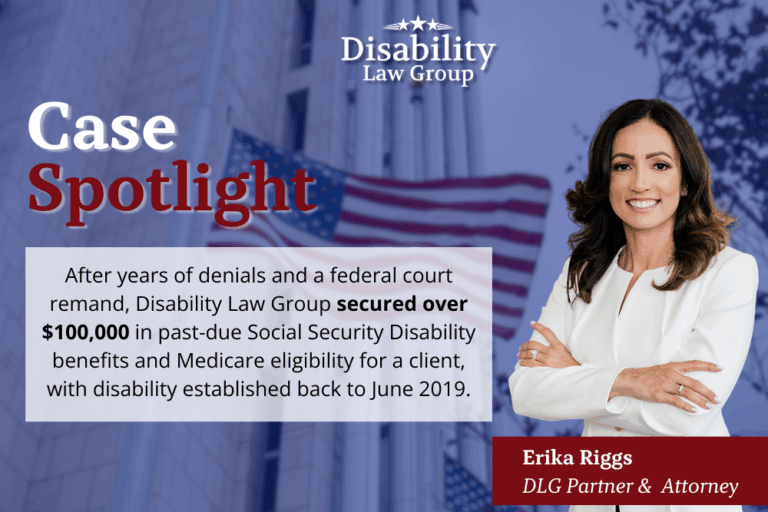
Case spotlight graphic showing Disability Law Group securing over $100,000 in past-due Social Security Disability benefits after a federal court remand.

Over $100,000 in Past-Due Social Security Disability Benefits After Federal Court Remand

When people think about Social Security Disability cases, they often assume approvals happen quickly or that a denial means the end of the road. This case shows just how inaccurate that assumption can be.

After years of denials, multiple appeals, and a federal court lawsuit, Disability Law Group helped a client from Warren, Michigan secure Social Security Disability benefits, immediate Medicare eligibility, and more than $100,000 in past-due benefits. Most importantly, the judge agreed that he had been disabled since June 2019, several years earlier than Social Security initially acknowledged.

A Long Road to the Right Outcome

Our client first applied for disability benefits in his mid-40s after years of worsening orthopedic and musculoskeletal conditions. Despite extensive treatment and clear functional limitations, his claim was denied at every level, including after his initial hearing.

By the time he contacted Disability Law Group, he was physically, emotionally, and financially exhausted. Even so, he remained determined to pursue the benefits he knew he deserved.

We took over the case and pursued every available appeal, first to the Appeals Council and then to the United States District Court. That decision ultimately changed the course of the case.

Federal Court: Where the Case Turned

The federal court judge agreed with our arguments and found that the prior Administrative Law Judge committed significant legal errors and failed to properly evaluate key medical evidence. The court ordered the case remanded for a new hearing, clearly stating that the prior analysis was flawed.

That remand allowed for a full and fair evaluation of the evidence, which ultimately resulted in a fully favorable decision.

Severe Orthopedic Conditions and Surgeries That Increased Limitations

This case involved severe bilateral knee pathology, combined with ankle, foot, and back impairments. The medical record showed extensive and ongoing limitations, including:

  • A scope procedure that worsened pain
  • A total knee arthroplasty
  • A subsequent right knee replacement scheduled for early 2024
  • Chronic instability and significant functional loss
  • Radiating symptoms into the left leg
  • Reliance on assistive devices
  • Difficulty remaining upright or stable

Despite this evidence, Social Security initially claimed he could still perform work, including sedentary work. We strongly disagreed and continued to fight for a decision that reflected the reality of his functional limitations.

Meeting and Medically Equaling Listing 1.18

One of the most critical arguments in this case involved Listing 1.18, which addresses major joint dysfunction. This listing requires evidence such as:

  • Chronic joint pain and stiffness
  • Abnormal motion or instability
  • Imaging confirming joint damage
  • A medically required two-handed, weight-bearing assistive device

We demonstrated that the combined impact of his knee, ankle, foot, and back impairments caused him to meet or medically equal Listing 1.18 well before his surgery date. We also established that his disability began in June 2019, not only after surgical intervention. The judge agreed with this analysis.

Why the Case Was Strong Even Without the Listings

Even beyond Listings 1.18, 1.15, and 1.16, this case clearly warranted approval at step five of the disability process, which evaluates whether a claimant can perform any work.

The evidence showed that:

  • He could not sit, stand, or walk for a full workday
  • He required frequent position changes
  • Pain significantly interfered with concentration and focus
  • He needed excessive breaks
  • Instability made sustained work unsafe

Based on these limitations, he could not perform any full-time work, including sedentary employment. The judge agreed so strongly that she did not call a vocational expert to testify, an uncommon and powerful outcome.

Fully Favorable Decision and Life-Changing Results

After reviewing the record and hearing testimony, the judge issued a fully favorable decision, finding the client disabled as of June 2019. As a result, he received:

  • More than $100,000 in past-due Social Security Disability benefits
  • Immediate eligibility for Medicare
  • Ongoing monthly disability benefits
  • Long-overdue financial stability

At the time of the final decision, the client was 50 years old, a factor that strengthened the case under Social Security’s vocational rules. However, the success of this case depended on proving disability well before he reached age 50, which allowed for a significantly larger award of retroactive benefits.

Why This Case Matters

This case highlights several critical truths:

  • A denial is not the end of the process
  • Federal court appeals can be successful
  • Judges must follow the law, and courts will enforce accountability
  • Severe orthopedic conditions often involve multiple joints and combined limitations
  • Disability determinations are based on functional ability, not just diagnoses

Most importantly, it demonstrates the value of working with an experienced disability law firm that understands medical listings, vocational rules, and federal court litigation.

We’re Here to Help

If you or someone you love has been denied Social Security Disability benefits, even after a hearing, do not give up. Many of our strongest cases are won on appeal, including at the federal court level.

At Disability Law Group, we handle disability claims nationwide and know how to build cases that withstand scrutiny from the initial application through federal court review. We are here to stand by your side and fight for the benefits you deserve. Book a free consultation here.

Person reviewing a Social Security notice showing the 2026 COLA increase, symbolizing how disability beneficiaries will see higher monthly payments.

Social Security Announces a 2.8% COLA Increase for 2026: What It Means for Disability Beneficiaries

The Social Security Administration (SSA) recently announced a 2.8% Cost-of-Living Adjustment (COLA) for 2026. This annual increase is designed to help keep Social Security and Supplemental Security Income (SSI) benefits in line with rising inflation and the cost of everyday necessities.

For millions of Americans who rely on disability benefits, this increase offers some relief heading into the new year. Understanding how COLA works and how it impacts your benefits can help you plan ahead and ensure you are receiving the full amount you deserve.

What Is a COLA and Why Does It Matter?

Each year, the SSA evaluates the Consumer Price Index (CPI-W) to determine whether the cost of living has increased. When prices for essentials such as food, housing, and healthcare rise, the SSA adjusts benefit payments accordingly.

A 2.8% COLA means that starting in January 2026, individuals receiving Social Security Disability Insurance (SSDI) or SSI will see a small but meaningful increase in their monthly payments. For example, the average disability benefit will rise from approximately $1,586 to $1,630 per month.

For many beneficiaries, that extra amount can make a real difference in managing bills, healthcare costs, and everyday living expenses.

Updated Key Figures for 2026

Along with the COLA increase, the SSA has announced adjustments to other key thresholds that affect disability eligibility and benefits:

  • Substantial Gainful Activity (SGA): The monthly limit for non-blind individuals will rise from $1,620 to $1,690. This amount determines whether a person is considered capable of substantial work.
  • Substantial Gainful Activity (SGA): The monthly limit for blind individuals will rise from $2,700 to $$2,830.
  • Trial Work Period (TWP): The threshold will increase from $1,160 to $1,210 per month. This allows beneficiaries to test their ability to work without losing their benefits right away.
  • SSI Federal Payment Standard: Monthly payments will increase to $994 for an individual and $1,491 for a couple.

While these changes are automatic, it is important to stay informed, especially if you are currently applying for benefits or in the middle of a review.

What If You Are Still Waiting for Approval?

If you have applied for disability benefits but your case is still pending, the COLA increase will apply once you are approved. Retroactive benefits will be calculated using the updated rates, ensuring that you receive the full amount owed based on the new standard.

If your claim was denied, you still have the right to appeal. Many applicants are approved after providing additional medical evidence or clarification during the appeal process. Working with an experienced disability attorney can significantly improve your chances of success.

How Disability Law Group Can Help

At Disability Law Group, we help individuals across Michigan and United States navigate the complex Social Security process, from initial applications to appeals. Our team understands how stressful it can be to face financial uncertainty while managing a health condition.

We handle all aspects of your case, including gathering medical records, communicating with the SSA, and ensuring that you receive every dollar you are entitled to under updated benefit rates.

If you have questions about your current benefits or need help applying for SSDI or SSI, we are here to guide you every step of the way.

Every Client Matters

No matter where you are in the process, whether you are applying, appealing, or already receiving benefits, you deserve experienced, compassionate advocacy.

Contact Disability Law Group today for a free consultation to learn how we can help you secure the benefits and peace of mind you deserve.

SSA disability claims being approved faster – Disability Law Group Michigan

Disability Claims Are Being Approved Faster: What Is Behind the Recent Trend

If you have been considering applying for Social Security Disability benefits, there is good news — recent data shows that disability claims are being approved faster than before. After years of long delays and low approval rates, the Social Security Administration (SSA) has begun implementing improvements that are making a real difference for applicants.

At Disability Law Group, we know how difficult it is to go through the claims process when you are already dealing with serious medical conditions. That is why we believe it is important to share this promising shift, explain what is changing, and help you understand how it might affect your claim.

What Is Causing Faster Approvals?

Improvements in SSA Staffing and Processes

One major reason behind quicker approvals is that the SSA has started hiring more staff and streamlining internal procedures. With additional personnel at hearing offices and decision-making centers, claims are being reviewed more efficiently, and the backlog of cases is beginning to shrink.

Use of Technology and Electronic Records

The SSA has increased its use of electronic medical records and digital systems. This allows claims examiners to access and review information more quickly, helping speed up the evaluation process without sacrificing accuracy.

A Shift in Priorities

The agency is also placing more focus on reducing wait times and responding to public concern about delays. Some applicants are now seeing decisions at the initial and reconsideration levels, rather than waiting months or years to reach a hearing. While this is not yet the case for everyone, it is an encouraging trend.

What Fast Disability Claim Approvals Means for Applicants

If you are thinking about applying, or you have already started your claim, this recent shift could be in your favor. However, faster approvals do not mean automatic approvals — strong evidence and proper preparation are still essential.

Here is how you can take advantage of this opportunity:

  • Act quickly. The sooner you apply, the sooner you can benefit from these improved timelines.
  • Prepare thoroughly. A complete and well-documented application is more likely to be approved early in the process.
  • Avoid common mistakes. Submitting incomplete medical records, working full-time while applying, or providing vague information can still delay or harm your claim.
  • Seek professional guidance. Working with a disability attorney from the beginning can improve your chances of success, especially if you are unsure how to present your case.

Is the Disability Claim Process Fast for Everyone?

It is important to remember that every case is different. Some claims are still taking time, especially if additional evidence is needed or if the SSA requires a consultative exam. However, overall trends show that more people are receiving decisions earlier in the process, a positive sign after years of frustration for applicants.

Even if your claim is denied at first, the appeals process remains available. And with the right support, many people succeed on appeal.

Let Disability Law Group Help You Navigate the Process

At Disability Law Group, we are encouraged by these recent improvements, but we also know that navigating the system can still be overwhelming. Our team is committed to guiding you every step of the way from preparing your initial application to representing you in an appeal if necessary.

We offer free consultations and will take the time to listen to your story, review your case, and help you understand your options.

The disability system is finally showing signs of positive change. If you are unable to work due to a medical condition, now may be the right time to apply. With the right preparation and support, your claim could be processed faster than you expected — and we are here to help you every step of the way.

Contact Disability Law Group today to schedule your free consultation. Let us help you build a strong case and get the benefits you deserve.

Doctor writing a detailed medical letter to support a Social Security Disability (SSD) claim

How a Good Doctor Letter Can Win Your SSD Case

When applying for Social Security Disability (SSD) benefits, your medical records play a central role. However, there is one document that can often influence the outcome of your case more than any other: a detailed, supportive letter from your treating physician.

At Disability Law Group, we have seen how a strong medical opinion can make a meaningful difference. While diagnostic tests and treatment notes provide valuable information, they often do not capture the full extent of a person’s limitations. A well-written doctor letter can fill that gap by clearly explaining how your condition affects your ability to function and maintain employment.

If you are preparing to apply for SSD benefits or are currently appealing a denial, understanding the importance of a physician’s letter and knowing what it should include is essential.

What Is a Doctor Letter for Disability?

A doctor letter, often called a medical source statement or functional capacity letter, is a written statement from your treating physician that outlines your diagnosis, symptoms, and functional limitations. It provides the Social Security Administration (SSA) with important context about how your condition affects your daily life and ability to work.

This letter is not a simple list of medical conditions. It is a personalized assessment based on your doctor’s direct knowledge of your medical history, treatment response, and functional capacity over time.

Why a Doctor Letter Matters

SSA reviews thousands of disability applications each year, many of which rely solely on medical records. While medical records are necessary, they may not fully explain how your symptoms interfere with your ability to work, particularly if your condition is variable or difficult to measure through standard tests.

A well-written doctor letter can:

  • Confirm your diagnosis and describe the severity of your condition
  • Explain how your symptoms affect your ability to perform daily activities and work tasks
  • Clarify inconsistencies or gaps in your records
  • Reinforce your credibility as a patient
  • Support the conclusion that you cannot sustain full-time work

When evaluating your claim, SSA looks for both objective evidence and clear explanations of how your condition impacts your functioning. A detailed statement from a trusted physician carries significant weight in your assessment.

What Makes a Doctor Letter Effective?

Not all letters are equally helpful. A brief note stating, “My patient is disabled and cannot work,” is not sufficient. SSA decision-makers need evidence-based details, not broad conclusions.

An effective doctor letter should include:

  • A specific diagnosis and the length of time you have had the condition
  • Detailed functional limitations (e.g., how long you can sit, stand, walk, lift, or concentrate)
  • Examples of how your symptoms affect your routine and independence
  • Information about the frequency and severity of flare-ups or pain
  • Consistency with your treatment records and reported symptoms
  • A clear explanation of why you cannot work, even with continued treatment

At Disability Law Group, we work with our clients to ensure that physician letters address the key elements that SSA uses to evaluate disability claims.

When Should You Request a Doctor Letter?

The ideal time to request a physician’s letter is early in the process, preferably before filing your initial application. However, a strong letter can also be submitted during the reconsideration stage or prior to a disability hearing.

If your case is advancing to a hearing before an Administrative Law Judge (ALJ), a physician’s letter can be particularly impactful. Judges often give considerable weight to opinions from treating physicians, especially those who have consistently followed your care.

How Disability Law Group Helps You Obtain the Right Letter

Not all physicians are familiar with the specific information SSA requires. That is where our legal team provides support. At Disability Law Group, we:

  • Advise you on what makes a doctor letter effective
  • Provide sample templates or discussion points for your physician
  • Review the letter for clarity, consistency, and alignment with SSA guidelines
  • Ensure it is submitted correctly as part of your case record

Our goal is to make sure the physician’s support strengthens your case.

What If Your Doctor Refuses to Write a Letter?

Some physicians may be unwilling or hesitant to write a disability letter. If that occurs, we can help by:

  • Explaining the purpose of the letter and its importance to your claim
  • Requesting a statement from another provider who has treated you
  • Gathering supporting evidence from specialists, therapists, or mental health professionals
  • Incorporating alternative documentation, such as detailed symptom journals or functional reports

Although a doctor letter is not required by SSA, it can significantly strengthen your application. If a letter is not available, we work with you to build the strongest possible case using other forms of supporting evidence.

Let Us Help You Strengthen Your Disability Claim

At Disability Law Group, we understand what makes a successful disability claim. A strong doctor letter is not just beneficial, it can be the deciding factor in your approval. From the start, our team helps clients gather critical medical evidence, request the right documentation, and present a complete, compelling case.

If you are unsure what your application may be missing or need assistance obtaining the appropriate medical support, we are here to help.

Contact us today for a free consultation. Let us help you move forward with confidence.

Man in wheelchair moving to a new home with partner and dog while receiving SSD benefits

What Happens if You Move While Receiving SSD Benefits?

Relocating can mark a significant life transition whether you are moving closer to family, starting over in a new state, or simply seeking a fresh start. If you are currently receiving Social Security Disability (SSD) benefits, you may be wondering how your move could affect your payments, eligibility, or healthcare access.

At Disability Law Group, this is a question we receive often. The good news is that, in most cases, your benefits will continue without interruption. However, there are important considerations based on the type of benefit you receive and where you are moving.

SSDI Benefits: What You Need to Know

If you are receiving Social Security Disability Insurance (SSDI), moving within the United States typically does not impact your eligibility or benefit amount. SSDI is a federal program based on your work history and Social Security contributions, which means your benefits are portable across all 50 states, the District of Columbia, and U.S. territories.

Here is what generally remains unchanged when you move:

  • Your monthly benefit amount
  • Your eligibility status
  • Your Medicare coverage (once eligible)
  • Your review or medical re-evaluation schedule

Even so, it is important to notify the Social Security Administration (SSA) of your change of address as soon as possible. Doing so ensures you continue to receive important correspondence and that your records remain current. If your banking details change, you should also update your direct deposit information.

SSI Benefits: State Rules Matter More Than You Might Think

Supplemental Security Income (SSI), unlike SSDI, is a need-based program. Although it is federally administered, many states provide additional SSI payments. As a result, the amount you receive each month could increase or decrease depending on your new state of residence.

For example:

  • States such as California and New York offer generous SSI state supplements
  • States like Michigan offer smaller supplements or none at all
  • Some states manage their own SSI payments independently of the federal government

Additionally, Medicaid eligibility is governed by individual state rules. If you move to a different state, you must reapply for Medicaid even if your SSI benefits remain active. Each state sets its own income and asset limits, which can impact your eligibility or access to certain services.

What if You Move Abroad?

Moving outside the United States introduces additional legal and administrative complexity.

  • SSDI benefits may continue in certain countries, depending on your citizenship status and whether the country has a reciprocal agreement with the United States.
  • SSI benefits are generally suspended if you remain outside the United States for more than 30 consecutive days.

If you are considering an international move, it is important to speak with a disability attorney before finalizing your plans to avoid benefit interruptions.

How to Notify the SSA

You should inform the SSA of your move as soon as possible. You can update your address by:

  • Logging into your My Social Security account online
  • Calling the SSA at 1-800-772-1213
  • Visiting your local SSA office in person

If you are enrolled in Medicare or Medicaid, it’s important to also update your contact information with those programs to ensure continuity of care and communication.

Potential Issues to Watch For

Although most benefit payments continue after a move, certain changes in your living situation or delays in updating your information can lead to complications, such as:

  • Moving in with someone whose income may affect your SSI eligibility
  • Failing to receive important SSA mail due to outdated address records
  • Missing a Continuing Disability Review (CDR) notice
  • Losing access to medical providers who previously supported your case

If you are moving to a new state, we recommend establishing care with a new healthcare provider as soon as possible. Ongoing medical documentation is critical, particularly if you are facing an upcoming review or appeal.

Let Disability Law Group Help You Stay Protected

At Disability Law Group, we help clients understand how major life changes, such as relocating, may affect their benefits. Whether you are planning a move or have already relocated and have concerns, our team can provide clarity and support.

Here is how we can assist:

  • Reviewing your benefit type and identifying any risks associated with relocation
  • Assisting with address updates and agency notifications
  • Helping you connect with healthcare and benefit programs in your new state
  • Supporting you through any reviews or reapplications triggered by your move

Your benefits are designed to support you wherever life leads. You with knowledgeable legal guidance, you can navigate your move with confidence and security.

Have Questions About Moving With SSD or SSI?

Contact Disability Law Group today for a free consultation. Whether you are moving within your state, across the country, or abroad, we are here to protect your rights and guide you every step of the way.

Teamwork of business lawyer meeting working hard about legal legislation in courtroom to help their customer.

How to Find the Right Social Security Disability Attorney Near You

If you are considering applying for Social Security Disability (SSD) benefits, finding the right attorney is an important step in securing the benefits you deserve. Navigating the Social Security system can be complicated, and having an experienced Social Security Disability attorney on your side can increase your chances of success. But how do you find the right SSD attorney near you?

Why Choosing the Right SSD Attorney Matters

Applying for Social Security Disability benefits can be a long and complex process. It is not just about filling out forms; it is about presenting your case in a way that clearly demonstrates how your disability prevents you from working. That is where an experienced SSD attorney comes in.

Here is why finding the right SSD attorney is essential:

  1. Expertise in Disability Law: Social Security Disability law is unique and can be difficult to navigate. SSD attorneys specialize in disability law and have in-depth knowledge of the rules and procedures that govern SSD benefits.
  2. Higher Success Rates: Studies show that applicants who are represented by an attorney are more likely to be approved for SSD benefits. A skilled attorney knows how to present your case effectively, avoiding common mistakes that could delay your approval or result in a denial.
  3. Guidance Through the Appeal Process: If your initial claim is denied, an attorney can help you navigate the appeals process. They will ensure that you submit all the necessary paperwork and medical documentation to strengthen your case.
  4. Reduced Stress: The SSD application process can be overwhelming. An attorney will handle the legal details so you can focus on what matters most—your health and well-being.

Where to Start: Researching SSD Attorneys Near You

When searching for an SSD attorney, it is important to consider local attorneys who specialize in Social Security Disability cases. While many law firms offer general legal services, SSD cases require specific expertise. Here’s how to begin your search:

  1. Start with Online Research: A quick search for “social security disability attorneys near me” can give you a list of local attorneys and law firms specializing in disability law. Make sure to check their website for relevant information, such as their experience in handling SSD cases, client testimonials, and a list of the services they offer.
  2. Check Reviews and Testimonials: Online reviews and testimonials are a great way to gauge the quality of service you can expect from a potential attorney. Look for feedback from clients who have gone through the SSD process. Positive reviews can indicate that the attorney has a track record of success in disability cases.
  3. Ask for Referrals: If you know someone who has gone through the SSD process, ask for a referral. Personal recommendations can be incredibly helpful when finding an attorney you can trust.
  4. Search Local Bar Associations: Many local bar associations offer lawyer referral services. You can search through their directory to find SSD attorneys who are members of the association and in good standing. This can give you confidence that the attorney is qualified and reputable.

How to Evaluate the Right SSD Attorney for Your Case

When choosing the right SSD attorney, experience is crucial. You want someone who understands the intricacies of Social Security Disability law and who has a proven track record of handling cases like yours. Here is how to evaluate potential attorneys:

  1. Experience in SSD Cases: Ensure that the attorney specializes in Social Security Disability law. Disability law is different from other areas of law, and an attorney who focuses on SSD cases will have the knowledge and experience necessary to handle the complexities of your case. Look for a lawyer who has successfully helped clients with cases similar to yours.
  2. Free Consultation: Many SSD attorneys offer free initial consultations. This is an excellent opportunity to ask questions, discuss your case, and get a feel for the attorney’s communication style. During the consultation, ask about their experience with SSD claims, their success rate, and how they plan to approach your case. This is also a chance to determine if you feel comfortable working with them.
  3. Fees and Payment Structure: SSD attorneys typically work on a contingency fee basis. This means they only get paid if you win your case. The standard fee is around 25% of your back pay, up to a certain amount (usually $6,000). Make sure to clarify the fee structure and any additional costs before moving forward.
  4. Clear Communication: The right attorney should be responsive and keep you informed throughout the process. Make sure they answer your questions in a way you can understand and that they’re available when you need them. Clear communication is key to a successful attorney-client relationship.
  5. Reputation and Credentials: Check the attorney’s credentials and reputation. Look for certifications or memberships in professional organizations, such as the National Organization of Social Security Claimants’ Representatives (NOSSCR), which signifies their expertise in Social Security Disability cases. You can also check the attorney’s standing with the state bar association to ensure they are licensed and in good standing.

What to Expect After Hiring an SSD Attorney

Once you have found the right SSD attorney, you may be wondering what comes next. Here’s an overview of the process and how your attorney will support you:

  1. Initial Consultation and Case Evaluation: During the first meeting, your attorney will assess your situation and determine whether you qualify for Social Security Disability benefits. They will review your medical records, work history, and other relevant information.
  2. Filing Your Application: If you haven’t already filed your SSD application, your attorney will help you prepare and submit the necessary paperwork. They will ensure that all required documents, such as medical records and work history, are included to give your case the best chance of success.
  3. Handling Appeals (If Necessary): If your initial claim is denied, your attorney will guide you through the appeals process. They will help you gather additional evidence, file the appropriate forms, and represent you during hearings to ensure your case is presented effectively.
  4. Ongoing Support: Throughout the entire process, your attorney will keep you updated on the status of your case and provide any additional guidance or support you may need. They will handle the legal details so you can focus on your health and recovery.

Why Choose Disability Law Group

  • Exclusive Dedication: Our practice is 100% dedicated to Social Security Disability cases. This allows our team to stay ahead of the latest SSA regulatory changes, ensuring your claim is handled with the most current legal strategies.
  • A Proven Track Record: We don’t just fill out forms; we build comprehensive cases backed by strong medical evidence and a deep understanding of vocational requirements.
  • Compassionate Advocacy: We know that behind every case is a person fighting for their livelihood. We offer a client-centered approach with consistent communication, so you never feel like just another file number.
  • Full-Spectrum Support: From your initial application to the highest levels of appeal, our attorneys stand by your side, providing the clarity and expertise needed to navigate the system’s complexities.

Don’t just take our word for it, our results speak through the voices of those we’ve helped. Disability Law Group is proud to have over 900 positive Google reviews from clients who trusted us during one of the most important moments of their lives.

Take the First Step Toward Disability Benefits

Finding the right Social Security Disability attorney near you can make all the difference in the outcome of your case. At Disability Law Group, we specialize in Social Security Disability cases and are dedicated to helping clients get the benefits they deserve. If you are ready to take the next step in your SSD claim or need help with an appeal, do not hesitate to contact us here for a free consultation.

We are here to support you every step of the way.

Concept words Social security on wooden blocks.

Key Changes Coming to Social Security in 2025: A Complete Guide

Social Security is a critical financial resource for millions of Americans, including retirees, disabled individuals, and survivors. With 2025 bringing new changes to the program, understanding these updates is essential to ensure you are receiving the full benefits to which you are entitled.

At Disability Law Group, we are dedicated to helping individuals navigate complex Social Security policies and ensuring that beneficiaries remain informed about their rights and options. This guide will cover the most significant Social Security changes in 2025, including cost-of-living adjustments (COLA), updates to benefit calculations, eligibility modifications, and potential legislative reforms.

1. Social Security Cost-of-Living Adjustment (COLA) for 2025

Each year, the Social Security Administration (SSA) adjusts benefits to account for inflation, ensuring recipients maintain their purchasing power despite rising costs.

Key COLA Updates for 2025:

  • The COLA increase for 2025 is 3.2%, as announced by the Social Security Administration.
  • This adjustment applies to Social Security Disability Insurance (SSDI), Supplemental Security Income (SSI), and retirement benefits.
  • The average monthly Social Security retirement benefit will increase, helping beneficiaries better manage rising expenses.

While this increase provides some financial relief, rising healthcare and living costs mean that beneficiaries should continue to plan for their financial futures.

If you have questions about how COLA affects your benefits, Disability Law Group is here to provide expert legal guidance.

2. Changes to Social Security Eligibility and Benefit Calculations

The way Social Security benefits are calculated is based on an individual’s work history, earnings, and the age at which they claim benefits. In 2025, several changes may affect eligibility and the amount beneficiaries receive.

What is Changing?

  • Increase in Full Retirement Age (FRA):
    • The FRA is gradually increasing for individuals born after 1960, meaning those turning 62 in 2025 will need to wait longer to receive full benefits.
  • Higher Earnings Limits for Early Claimants:
    • Individuals who choose to work while receiving early Social Security benefits will see a higher earnings limit before benefits are reduced.
  • Maximum Taxable Earnings Increase:
    • The maximum amount of earnings subject to Social Security payroll taxes will increase in 2025, impacting higher-income workers.

3. Social Security Disability Insurance (SSDI) Changes in 2025

For those receiving SSDI benefits, staying updated on policy changes is crucial. In 2025, adjustments to eligibility criteria and benefit calculations could affect both current and future recipients.

Notable SSDI Changes:

  • Increased Substantial Gainful Activity (SGA) Limits:
    • The SGA threshold (the maximum amount a disabled individual can earn while still qualifying for benefits) is expected to increase in 2025.
  • Streamlined Disability Determination Process:
    • Efforts are being made to reduce delays and backlogs in SSDI claims processing, providing faster decisions for applicants.
  • Updated Medical-Vocational Guidelines:
    • The SSA may adjust disability evaluation criteria to account for modern job market conditions and medical advancements.

4. Supplemental Security Income (SSI) Adjustments for 2025

SSI benefits, which provide financial assistance to low-income individuals with disabilities, will also see adjustments in 2025.

Key Changes to SSI:

  • Increased Federal Benefit Rate (FBR):
    • The monthly maximum SSI payment will increase due to the COLA adjustment.
  • Higher Resource Limits:
    • There is growing discussion about increasing the allowable resource limits for SSI recipients, potentially expanding eligibility for more individuals.
  • Expanded Work Incentives:
    • Updates to the SSI program may provide greater incentives for recipients to work without jeopardizing their benefits.

5. Potential Legislative and Policy Changes to Social Security

Congress continues to discuss long-term strategies to address Social Security’s financial challenges. While no major reforms are finalized yet, several proposals could impact benefits in the future.

Possible Legislative Changes:

  • Adjustments to Social Security Payroll Taxes:
    • Lawmakers are considering increasing the payroll tax cap to ensure continued funding for the program.
  • Means Testing for Benefits:
    • Some proposals suggest reducing benefits for high-income retirees to extend the program’s solvency.
  • Expanded Benefits for Lower-Income Beneficiaries:
    • There is discussion about increasing benefits for low-income recipients to reduce poverty among elderly and disabled individuals.

6. How to Prepare for Social Security Changes in 2025

With Social Security updates on the horizon, it’s crucial to take proactive steps to ensure financial security.

What You Can Do:

  • Review Your Social Security Statement:
    • Check your earnings record and estimated benefits through your SSA online account.
  • Consider the Best Age to Claim Benefits:
    • Work with a financial or legal expert to determine the optimal time to begin receiving benefits.
  • Stay Informed on Legislative Changes:
    • Follow updates from the SSA and trusted legal professionals to understand how new policies may impact you.
  • Seek Professional Guidance:
    • Whether you need help filing a claim, appealing a denial, or understanding how changes affect your benefits, consulting with a knowledgeable attorney is key.

Preparing for Changes

Social Security remains a vital financial resource for millions of people. With important changes coming in 2025, staying informed and proactive is the best way to maximize your benefits and maintain financial stability.

At Disability Law Group, we are committed to helping individuals understand and secure their Social Security benefits. If you have questions about how these changes impact you, contact us today for expert legal assistance. Let us help you protect your future.

Compensate Injured Worker: Medical Disability And Social Security

Social Security Disability Insurance Eligibility Changes in 2025

Navigating the Social Security Disability Insurance (SSDI) process can be challenging, especially when eligibility criteria evolve over time. For 2025, individuals seeking SSDI benefits must stay informed about any changes that may impact their application or continued eligibility. At Disability Law Group, we are dedicated to ensuring that individuals understand these updates and can access the benefits they need.

1. Understanding SSDI Eligibility Requirements

SSDI is a federal program providing financial assistance to individuals unable to work due to a disabling condition. To qualify, applicants must meet specific criteria:

  • Work Credits: Applicants must have worked in jobs covered by Social Security and earned sufficient work credits based on their age and employment history.
  • Medical Disability: Applicants must have a medically determinable impairment that prevents them from engaging in substantial gainful activity (SGA) and is expected to last at least 12 months or result in death.
  • SSA Definition of Disability: The Social Security Administration (SSA) uses a strict definition of disability, requiring individuals to prove they cannot perform any substantial work due to their condition.

2. Changes to Work Credit Requirements in 2025

Each year, the SSA adjusts the amount of earnings required to earn work credits, reflecting national wage trends. In 2025, you will earn one credit for every $1,810 in covered earnings, up to a maximum of four credits per year. This means you must earn at least $7,240 in 2025 to obtain the maximum four credits.

It is essential for potential applicants to review their Social Security earnings statements to verify they meet the updated requirements. Consulting with an experienced disability lawyer can help clarify whether you qualify under these new criteria.

3. Updates to the Substantial Gainful Activity (SGA) Threshold

The SSA adjusts the SGA threshold annually to account for inflation and cost-of-living changes. The SGA limit determines the maximum amount of income an applicant can earn while still qualifying for SSDI. For 2025, the monthly SGA amount is $1,620 for non-blind individuals and $2,700 for statutorily blind individuals.

Understanding these SGA limits is vital for individuals currently working part-time while applying for benefits. Earning above these thresholds can result in application denials.

4. Medical Eligibility and Updated SSA Listings

The SSA maintains a list of impairments that automatically qualify individuals for disability benefits. Periodic updates to these medical listings can impact eligibility. In 2025, the SSA may revise certain conditions, add new qualifying impairments, or remove outdated ones.

Applicants should verify whether their condition is included in the latest SSA listings and, if not, be prepared to present comprehensive medical evidence proving their disability. Seeking legal assistance can be beneficial in compiling the necessary documentation and medical records.

5. Ensuring a Smooth SSDI Application Process

Applying for SSDI can be a lengthy and complex process. To improve your chances of approval under the 2025 eligibility updates:

  • Gather Comprehensive Medical Evidence: Ensure all medical records, test results, and physician statements clearly document your disability.
  • Verify Work Credits: Review your Social Security statement to confirm you meet the new work credit requirements.
  • Monitor Income Levels: If you are working part-time, ensure your earnings do not exceed the updated SGA threshold.
  • Consult with a Disability Lawyer: A knowledgeable SSDI attorney can help navigate eligibility changes and strengthen your application.

Stay Informed

Understanding the 2025 SSDI eligibility changes is critical for individuals seeking disability benefits. With updates to work credit requirements, SGA limits, and medical listings, staying informed is key to ensuring a successful application. At Disability Law Group, we are committed to helping you secure the benefits you deserve. Contact us today for expert guidance on your SSDI claim.