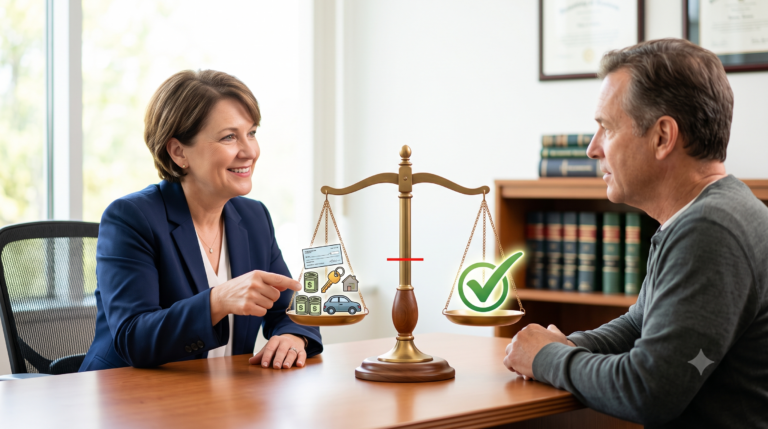
Supplemental Security Income is designed to help people who are disabled, blind, or age 65 or older and have limited income and resources. Because SSI is a needs-based program, Social Security looks closely at both what money you receive and what assets you own.
This can be confusing, especially if you live with family, receive help with bills, work part-time, or have a small amount of savings. Understanding how income and resources are reviewed can help you avoid surprises and better prepare your SSI claim.
Why Income Matters for SSI
Income can affect whether you qualify for SSI and how much you may receive each month.
Social Security may review different types of income, including:
- Wages from work
- Social Security benefits
- Pension or retirement income
- Unemployment benefits
- Workers’ compensation
- Money from family or friends
- Free or reduced shelter support, such as help with rent, mortgage, or utilities
Not all income is counted the same way. Some income may be excluded, and some may reduce your SSI payment. In general, the more countable income you have, the lower your SSI benefit may be.
What Are Resources for SSI?
Resources are things you own that can be converted to cash and used for food or shelter.
This may include:
- Bank account balances
- Cash
- Stocks or bonds
- Additional vehicles
- Land or property you do not live on
- Certain life insurance policies
- Other assets that can be used for support
For SSI, Social Security has strict resource limits. In 2026, the resource limit is $2,000 for an individual and $3,000 for a couple.
Some resources do not count, such as the home you live in and usually one vehicle, depending on how it is used.
How Living Arrangements Can Affect SSI
Your living situation can also affect your SSI payment.
Social Security may consider whether you:
- Live alone
- Live with family or friends
- Pay your share of rent, mortgage, and utilities
- Receive free or reduced housing
- Live in a group care setting or institution
If someone else helps pay for your shelter, your SSI amount may be reduced. Under current SSA rules, food support is no longer included in in-kind support and maintenance calculations, but shelter assistance can still affect your monthly SSI payment.
Why Reporting Changes Is Important
If you receive SSI, you are expected to report changes that may affect your eligibility or benefit amount.
This may include changes in:
- Income
- Bank account balances
- Living arrangements
- Marital status
- Household members
- Work activity
- Help received from family or friends
Reporting changes helps prevent overpayments and problems with your benefits later.
Understanding SSI Eligibility Can Help You Avoid Mistakes
SSI rules can feel overwhelming because even small financial changes may affect your benefits. If you are applying for SSI, appealing a denial, or worried that income or resources may affect your eligibility, Disability Law Group can help you understand what Social Security may review and how to move forward with more confidence. Call (800) 838-1100 or contact us online through our contact page at https://disabilitylawgroup.com/contact/ for a free consultation.